TL;DR

Get movie-night favorites delivered free — and shop member deals
- Fast, free delivery on millions of items
- Access to Prime Big Deal Days deals on October 6–7
- Prime Video, Amazon Music and more included
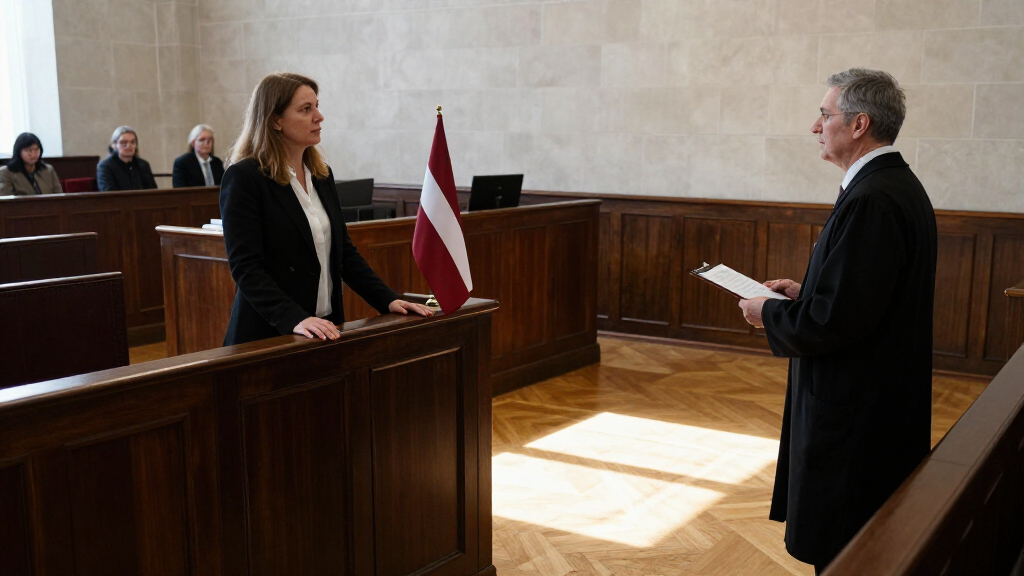
The Riga City Court sentenced Polina Kamleva, a resident of Rēzekne, to six years in prison for financing an armed conflict. Investigators said a €43 transfer was intended to help buy a mobile electronic warfare system for Russian forces; Kamleva denied having criminal intent. Prosecutors had sought eight years.
The Riga City Court sentenced Polina Kamleva, a resident of Rēzekne, to six years in prison for financing an armed conflict, Latvian outlet Delfi reported. Investigators said a €43 transfer was intended to help buy a device for disrupting drones for Russian forces; Kamleva told the court she did not mean to finance the Russian army.
According to Delfi’s account, investigators traced the payment to a fundraising request made in December 2024. They said an acquaintance in Russia, associated with the Kaskad military-patriotic center, asked Kamleva to help raise money for a mobile electronic warfare system. The equipment was allegedly intended for the Russian army.
Investigators said Kamleva then contacted an acquaintance living in Belarus and asked him to make the transfer on her behalf, because transfers from Latvian banks to Russian banks were not possible. He sent 157 Belarusian rubles, about €43, from his personal account, according to the report. Latvia’s State Security Service detained Kamleva in December 2025.
In her final statement, Kamleva disputed that the messages found on her phone proved she intended the money to reach Russian forces. She said she was unemployed and experiencing serious psychological distress when asked to help. Prosecutors sought an eight-year sentence; the reported court sentence was six years. Latvian law carries a maximum penalty of 10 years for financing an armed conflict, Delfi reported.
A Small Transfer, a Serious Charge
The case illustrates how Latvian authorities can pursue alleged support for a foreign military effort even when the amount involved is relatively small and the payment passed through another person. The prosecution’s case, as reported, focused on the alleged purpose of the funds and the communications surrounding the transfer, rather than the amount alone.
The sentence also falls below the eight years sought by prosecutors but represents a substantial prison term. The ruling matters to readers seeking to understand how Latvia applies its law against financing an armed conflict, particularly amid Russia’s war against Ukraine. The report does not provide the court’s full reasoning, so the precise findings behind the six-year term cannot be assessed from the available account.
As an affiliate, we earn on qualifying purchases.
How Investigators Traced the Payment
Delfi reported that the case grew out of a WhatsApp exchange in December 2024. Investigators said Kamleva agreed to assist with fundraising after being approached by an acquaintance from the Kaskad military-patriotic center. They alleged that the requested funds were for a mobile electronic warfare system, described in the report as equipment for disrupting drones.
Because, according to investigators, direct transfers from Latvian banks to Russian banks were not possible, they said Kamleva arranged for an acquaintance in Belarus to send the money. The transfer was made from his own account in Belarusian rubles. Delfi reported at the time of Kamleva’s detention that she was a member of the Latvian Russian Union Party and described her as a pro-Russian activist. Those descriptions do not, by themselves, establish the criminal allegation.
The Riga City Court’s sentence was reported by Delfi and relayed by Meduza. The source material supplied for this report does not include the judgment itself, a court statement, or a response from Kamleva’s lawyer.
“The transfer was intended to help buy a mobile electronic warfare system for the Russian army.”
— Investigators, as cited by Delfi
As an affiliate, we earn on qualifying purchases.
The Court’s Reasoning Is Not Available
The available reporting does not include the full written judgment or explain how the court assessed the WhatsApp messages, the transfer, and Kamleva’s account of her state of mind. It is therefore unclear which evidence the judges considered decisive or how they arrived at the six-year sentence.
The report also does not say whether Kamleva plans to appeal, whether the ruling is final, or whether the acquaintance who made the transfer faced any legal action. Investigators’ account of the intended destination and purpose of the money remains an allegation attributed to them; Kamleva denied having criminal intent. The supplied material gives no further details about the alleged equipment purchase or whether the funds reached a seller.
As an affiliate, we earn on qualifying purchases.
Appeal Status and Court Documents
The next developments to watch are whether Kamleva challenges the conviction or sentence and whether further court information clarifies the judges’ findings. The source report does not state an appeal deadline, confirm that an appeal has been filed, or give a date for any further hearing.
Until more information is published, the confirmed development in the available account is the six-year sentence reported by Delfi. Details about the judgment’s legal reasoning, the final status of the case, and any actions involving other people remain unreported.
As an affiliate, we earn on qualifying purchases.
Key Questions
Who was sentenced by the Riga City Court?
Polina Kamleva, a resident of Rēzekne, was sentenced to six years in prison, according to Delfi.
What was the €43 transfer for, according to investigators?
Investigators said it was intended to help buy a mobile electronic warfare system for Russian forces. Kamleva denied intending to finance the Russian army.
How was the transfer made?
Investigators said an acquaintance living in Belarus sent 157 Belarusian rubles, about €43, from his own account after Kamleva asked him to transfer the money on her behalf.
How long had prosecutors sought in prison?
Prosecutors sought eight years, while the court imposed a reported sentence of six years. Latvian law provides for a maximum of 10 years for financing an armed conflict, according to Delfi.
Has Kamleva appealed the sentence?
The available report does not say whether she has appealed or whether the ruling is final. The court’s full reasoning and any next hearing date were not provided.
Source: rss
Halloween Picks
halloween
As an affiliate, we earn on qualifying purchases.