
TL;DR

Get movie-night favorites delivered free — and shop member deals
- Fast, free delivery on millions of items
- Access to Prime Big Deal Days deals on October 6–7
- Prime Video, Amazon Music and more included
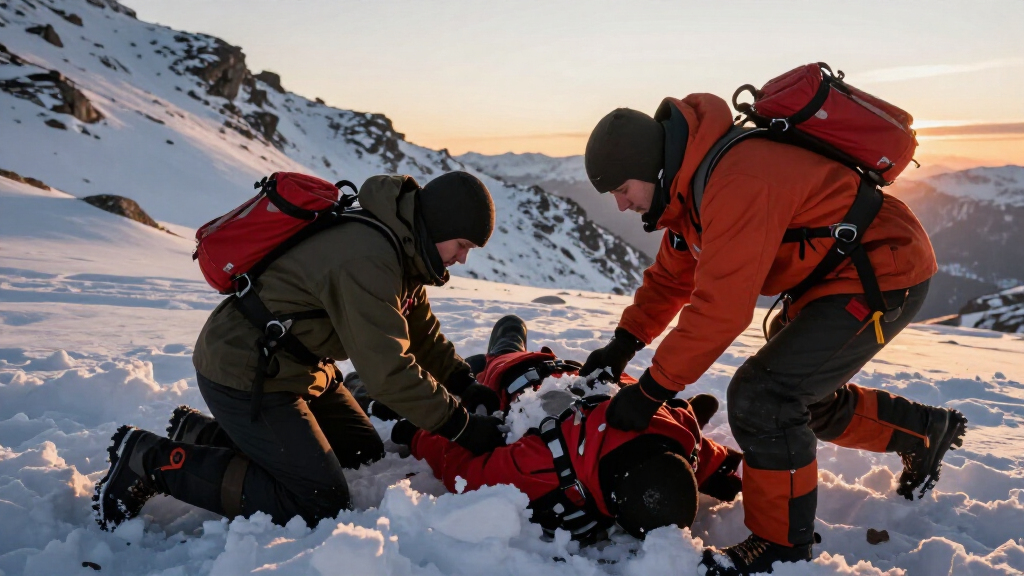
Rescue teams in Kabardino-Balkaria have located and recovered the final victim of the recent avalanche, bringing closure to the tragic incident. This marks Russia’s deadliest mountain disaster in over two decades.
Rescue teams in Kabardino-Balkaria have recovered the final victim of the recent avalanche, ending a multi-day search effort that has claimed multiple lives. The incident is now confirmed as Russia’s deadliest mountain disaster since 2002, emphasizing the severity of the event and the ongoing risk in the region.
The rescue operation concluded on March 15, 2024, with the recovery of the last missing person, bringing the total confirmed fatalities to 23. The avalanche occurred on March 12 in the Elbrus mountain region, a popular destination for climbers and hikers. Authorities stated that the rescue efforts involved over 100 personnel, including specialized mountain rescue teams, who combed the snow-covered slopes for three days.
Officials from the Ministry of Emergency Situations confirmed that the final victim was located approximately 2 kilometers from the initial avalanche site, in a heavily affected area that had previously hampered rescue efforts. The identity of the last victim has not yet been publicly released, pending family notifications. The rescue operation was hampered by severe weather conditions, including ongoing snowfall and high winds, which initially slowed the search but were eventually overcome by coordinated efforts.
Why This Rescue Marks a Major Milestone in Russian Mountain Safety
The recovery of the final victim underscores the scale of the tragedy and highlights the dangers associated with mountain activities in the region. It also serves as a stark reminder of the risks posed by natural disasters in remote, high-altitude areas, especially as climate change increases the likelihood of unpredictable snow and ice conditions. The incident has prompted calls for improved safety measures and monitoring in mountain zones frequented by tourists and climbers, particularly in the Caucasus region.
Moreover, this event is notable as the deadliest mountain disaster in Russia since 2002, when a series of avalanches in the Caucasus claimed over 50 lives. The incident has prompted a national conversation about mountain safety protocols, emergency preparedness, and the need for better forecasting and rescue infrastructure in high-risk areas.
mountaineering avalanche safety kit
As an affiliate, we earn on qualifying purchases.
As an affiliate, we earn on qualifying purchases.
Background on the Kabardino-Balkaria Avalanche and Regional Mountain Safety
The avalanche occurred amid a period of increased snowfall and unstable weather conditions in the Caucasus Mountains, a popular but perilous destination for mountaineers. Historically, the region has seen several deadly avalanches, but recent years have seen a rise in such incidents, attributed partly to climate variability. The last major avalanche in the area was in 2002, which resulted in over 50 fatalities, making this recent event the deadliest in nearly two decades.
Rescue efforts in the region are complicated by difficult terrain, unpredictable weather, and limited infrastructure, which often hampers timely response. Authorities had issued warnings prior to the event, but the suddenness of the avalanche caught many unprepared. The incident has reignited discussions about safety regulations and the need for more robust rescue capabilities in the Caucasus and similar mountain regions across Russia.
Preliminary investigations suggest that recent weather patterns, including heavy snowfall and rapid temperature fluctuations, contributed to the instability of the snowpack. Experts warn that such conditions may become more frequent with ongoing climate change, increasing the risk of future avalanches.
As an affiliate, we earn on qualifying purchases.
Remaining Questions About Avalanche Causes and Future Risks
While authorities have linked the avalanche to recent heavy snowfall and unstable snowpack, detailed investigations into specific triggers or potential human factors are ongoing. It is not yet clear whether any safety violations contributed or if climate change will lead to increased frequency of such events in the region.
Additionally, the full identity of the victims and the precise timeline of rescue operations are still being finalized. Experts caution that without comprehensive data, it remains difficult to predict whether similar incidents will occur in the near future.
mountain climbing emergency equipment
As an affiliate, we earn on qualifying purchases.
As an affiliate, we earn on qualifying purchases.
Next Steps for Regional Mountain Safety and Investigation
Authorities plan to conduct a detailed investigation into the causes of the avalanche, including terrain analysis and weather pattern review. They are also expected to review safety protocols and consider implementing more rigorous monitoring systems for avalanche risk in the Caucasus region.
Rescue teams and regional authorities will likely increase patrols and warning systems in high-risk zones to prevent future tragedies. Additionally, memorial events may be organized to honor the victims and raise awareness about mountain safety.
As an affiliate, we earn on qualifying purchases.
Key Questions
How many people were affected by the avalanche?
Twenty-three people were confirmed dead, with the last victim recovered on March 15, 2024. Several others were injured or remain missing, but the final count is now known.
What caused the avalanche?
Authorities attribute the avalanche to recent heavy snowfall and unstable snowpack conditions, which are typical triggers. An ongoing investigation will clarify if other factors contributed.
Are mountain safety measures being improved after this incident?
Regional authorities have announced plans to review and strengthen safety protocols, including better monitoring and warning systems, to reduce the risk of future avalanches.
Will there be memorials or commemorations for the victims?
It is not yet confirmed, but memorial services are likely to be held to honor those who lost their lives in the avalanche.
What is the long-term outlook for mountain safety in the Caucasus?
Experts warn that climate change may increase the frequency of such events, prompting calls for more comprehensive safety measures and climate adaptation strategies.
Source: rss
Halloween Picks
halloween
As an affiliate, we earn on qualifying purchases.