TL;DR

Get movie nights delivered free with Prime
- Fast, free delivery on millions of items
- Prime Video, Amazon Music and more included
- Member-only deals all year
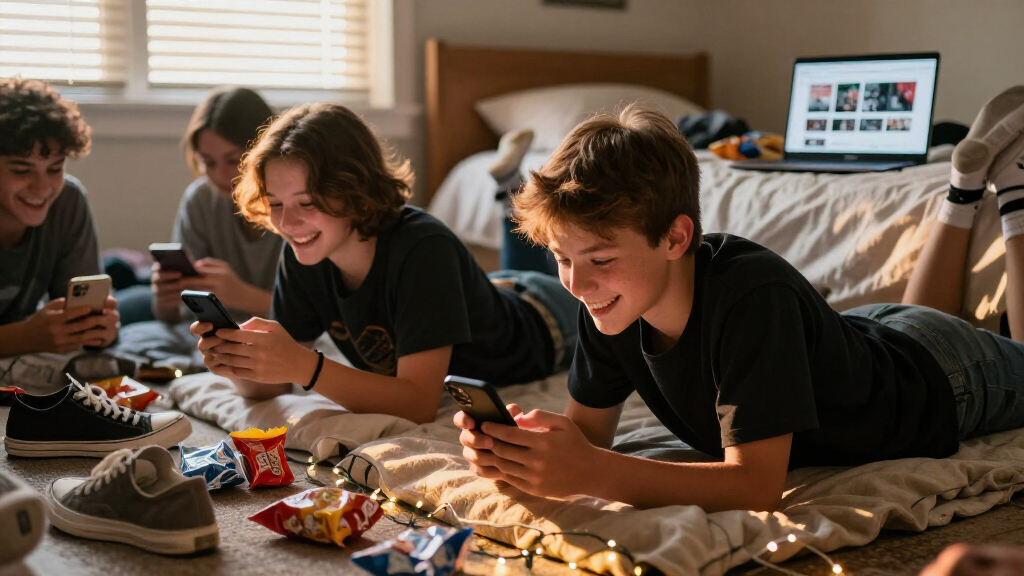
Public radio staff discovered mysterious gibberish comments on a Spotify episode of NPR’s Wild Card and initially suspected bots. A Gen Z NPR employee recognized the activity as middle schoolers using the low-traffic comment section as an informal group chat, according to a This American Life report.
Staff at NPR’s interview show Wild Card discovered that a flood of bizarre, incoherent comments on one of the show’s Spotify episodes was not bot activity, as they first suspected, but a group of middle schoolers using the low-traffic comment section as an informal group chat, according to a report broadcast on This American Life. The discovery, recounted by producer Dave Blanchard and colleague Hannah Chinn, came after Blanchard deleted the comments and new posts appeared complaining that the thread had been removed.
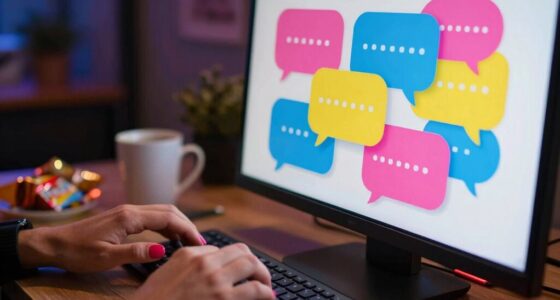
Blanchard’s job includes monitoring online comments about Wild Card, hosted by Rachel Martin. Last fall, he noticed unusual activity on the Spotify page for an episode featuring writer Elizabeth Gilbert. The new comments were, in his words, “just these clipped, weird, incoherent postings.” He read examples on the broadcast, including “Ah, OK, M-H,” “Gilgamesh quit and I’m crying,” “Last Friday I broke up with my GF,” “Your cats are so cute,” and “You’re gorgeous in that dress. OML, pink heart.”
Blanchard said the pattern “screamed bots,” but details did not fit. The comments came from many different accounts, and they appeared to interact with each other, which he described as unlike typical bot behavior. After he deleted the posts, a new comment appeared saying “so it deleted my com” — a reaction that did not match bot behavior, according to Blanchard. Follow-up comments included “Weird” and “That’s weirdss.” Blanchard shared screenshots in NPR’s Slack channels, and a supervisor suggested reporting the accounts to Spotify.
Hannah Chinn, an NPR employee roughly ten years younger than Blanchard, reached a different conclusion almost immediately. Chinn cited the users’ display names — such as “Ella with five emojis” using special characters generated online — cartoon profile pictures, and the short, exclamation-heavy chatting style as evidence the posters were children. Chinn posted on Slack: “Maybe I’m wrong, but I think these are just kids hanging out and we shouldn’t report them as bots. My guess is that they’re just using Spotify comment threads as their group chat, maybe because other apps on their phone are blocked.” Blanchard initially responded, “That’s an interesting theory,” and said he found it implausible that middle schoolers would choose an NPR interview show’s episode as their gathering place. Chinn’s further investigation — including examining playlists with names like “Let’s chat” — strengthened the conclusion that the commenters were kids coordinating through the platform.
Why the Story Drew Attention
The segment documents how young people repurpose platform features, such as comment sections and shared playlists, as social spaces in ways not intended by their designers. Chinn described personal experience relevant to the case, telling This American Life that as a homeschooled teenager with restricted social media access, they communicated with friends through Google Docs, typing messages and deleting them or hiding them with white text on a white background.
The segment also presents a generational difference in how the behavior was interpreted. Two public radio staff members initially read the comments as bot activity, while a younger colleague identified them as children. According to the report, the case illustrates that unusual activity on low-traffic pages is not necessarily automated, and that enforcement actions, such as mass deletion or account reporting, can affect real communities, in this case one made up of kids.
How the Discovery Unfolded at NPR
Wild Card is a public radio interview show produced by Blanchard and hosted by Rachel Martin. Part of Blanchard’s role is monitoring online comments about the program, which he described as routine and tedious.
According to the This American Life account, the sequence of events was: Blanchard spotted gibberish comments on the Elizabeth Gilbert episode and assumed bots; he deleted them; a commenter noticed the deletion and posted about it; Blanchard escalated screenshots to NPR Slack channels; a supervisor named Matilde suggested reporting the activity to Spotify; Chinn reviewed the screenshots and concluded the commenters were middle schoolers; Blanchard remained skeptical; and Chinn conducted additional review, including examining the users’ playlists, before the group-chat explanation took hold.
Chinn said the commenters appeared to be middle schoolers specifically rather than high schoolers — “people who are new to chatting with each other on the internet and in real life” — describing behavior where simply acknowledging each other’s presence in the chat was itself the goal.
“It screamed bots, just because anytime that I see just gibberish in a comment on the internet, I assume it’s a bot. But the fact that they were all from different accounts seemed very weird.”
— Dave Blanchard, Wild Card producer, on This American Life
What the Report Leaves Unconfirmed
Key parts of the account remain interpretation rather than verified fact. The identity, ages, and motives of the commenters were never directly confirmed — Chinn’s conclusion that they are middle schoolers is an informed guess based on display names, profile pictures, and posting style, not on contact with the users. Chinn’s suggestion that the kids were using Spotify because other apps were blocked was offered with the explicit qualifier “who knows?”
It is also unclear from the segment whether the activity continued after the initial thread deletion, whether Spotify was ultimately contacted, and whether NPR has since changed how it handles comments on low-traffic episodes. Blanchard said he did not delete the commenters’ new thread, suggesting the informal chat may have continued.
What Happens to the Kids’ Chat Thread
No enforcement action against the accounts was described in the segment, and the account indicates the kids’ thread was left in place after the misunderstanding was resolved. The question raised by the report — how platforms and content teams should distinguish between bot activity and unconventional human communities — remains open, and neither NPR nor Spotify has announced any policy change in response to the incident.
Key Questions
What show had the mysterious Spotify comments?
The comments appeared on the Spotify page for an episode of Wild Card with Rachel Martin, an NPR-distributed public radio interview show, featuring writer Elizabeth Gilbert.
Why did NPR staff think the comments were bots?
Producer Dave Blanchard said the posts were clipped, incoherent gibberish, which he associated with bot spam. The many different accounts and apparent interaction between them also did not match patterns he had seen.
How did Hannah Chinn know the commenters were kids?
Chinn cited display names with special-character emojis, unfamiliar cartoon profile pictures, short exclamation-heavy messages, and playlists named for chatting. They also drew on their own experience using Google Docs as a chat platform as a teenager.
Were the kids using Spotify because other apps were blocked?
That is Chinn’s speculation, offered with the qualifier “who knows?” It was not confirmed. The report establishes only that the kids appeared to be using the comment thread as a group chat.
Did NPR report the accounts to Spotify?
A supervisor suggested reporting the activity to Spotify and Blanchard began that process, but after Chinn identified the commenters as kids, the segment does not indicate the report went through or that any accounts were actioned.
Source: hn
Fall Picks
fall essentials
As an affiliate, we earn on qualifying purchases.