
TL;DR

Get movie nights delivered free with Prime
- Fast, free delivery on millions of items
- Prime Video, Amazon Music and more included
- Member-only deals all year
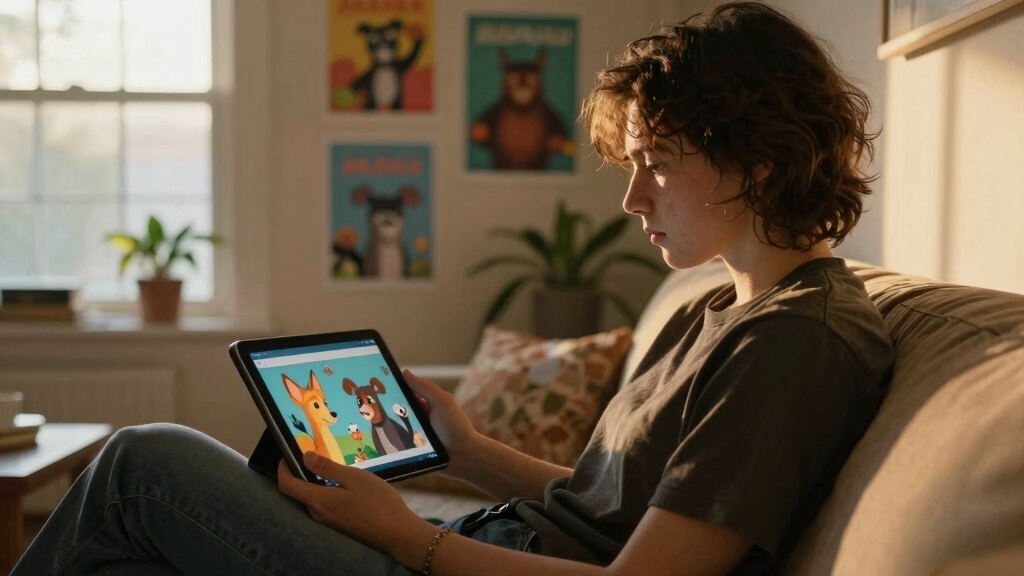
Several new animated animal sequels are facing criticism for poor storytelling and lack of originality. Experts and fans argue these sequels are making the wrong creative choices, impacting their success and franchise reputation.
Multiple recent animated animal sequels are facing widespread criticism for their storytelling and creative choices, with fans and critics arguing they are the wrong direction for these franchises.
Sources such as actor and comedian Patton Oswalt, via Vulture, have voiced concerns about the quality and direction of these sequels. Many of these films are underperforming at the box office and receiving negative reviews from audiences and critics alike. Industry insiders suggest that studios are prioritizing franchise expansion over originality, leading to sequels that lack fresh ideas and fail to meet fan expectations. Some sequels, like those involving popular animal characters, are accused of relying on tired formulas and neglecting character development. Despite the financial investments, the reception indicates a disconnect between studio strategies and audience preferences, raising questions about the future of these franchises.
Why Audience Backlash Matters for Franchise Success
This criticism underscores the risk studios face when prioritizing sequels over innovation. Poorly received films can damage a franchise’s reputation, reduce future audience interest, and lead to financial losses. For viewers, it signals a potential decline in quality and originality in animated films, which could impact the genre’s overall health. The backlash may also influence studio decisions, prompting a shift toward more thoughtful, original storytelling rather than formulaic sequels.
Popular right now

KitchenAid Artisan 5-Qt Tilt-Head Stand Mixer – Dried Rose (KSM150PS)

Vitamix Propel Series 510 Professional-Grade Blender, 3 Programs, Black

Ninja CREAMi 7-in-1 Ice Cream Maker, NC299AMZ
As an affiliate, we earn on qualifying purchases.
Recent Trends in Animated Animal Sequels and Industry Response
Over the past few years, studios have increasingly relied on sequels and franchise extensions to capitalize on popular characters. High-profile examples include sequels to successful films like ‘The Secret Life of Pets’ and ‘Sing.’ However, many of these follow-ups have been criticized for lacking originality and relying heavily on established characters without offering new narrative depth. Critics like Patton Oswalt have pointed out that this trend risks diluting the quality of animated films and alienating core audiences. Industry insiders note that this strategy aims to maximize profit but often at the expense of creative integrity, leading to a mixed reception and some box office disappointments.
“They’re making the wrong animated animal sequels—relying on tired formulas instead of genuine storytelling.”
— Patton Oswalt
Unconfirmed Factors Behind Sequels’ Poor Reception
It remains unclear whether the negative reception is solely due to creative choices or if other factors such as marketing, timing, or franchise fatigue also play significant roles. Studio internal strategies and audience preferences are still evolving, and some upcoming releases may challenge current trends.
Next Steps for Studios and Audience Expectations
Studios may reconsider their approach to animated sequels, focusing on originality and quality to rebuild trust. Audience reactions to upcoming releases will influence future franchise strategies. Industry insiders predict a potential shift toward more innovative storytelling to regain viewer interest and critical approval.
Key Questions
Why are recent animated animal sequels receiving criticism?
Many critics and fans argue that these sequels rely on tired formulas, lack originality, and do not meet audience expectations, leading to negative reviews and poor box office performance.
Are all animated animal sequels failing?
Not necessarily. Some sequels have performed well, but a significant number are facing criticism for their creative choices and reception, indicating a broader trend of dissatisfaction.
What can studios do to improve future animated sequels?
Focusing on original storytelling, character development, and innovative ideas could help studios better connect with audiences and restore confidence in their franchises.
Is this trend affecting the overall animation industry?
Yes, the backlash against poorly received sequels may influence industry strategies, encouraging a shift toward more original content and higher-quality productions.
Source: google-trends